
Inclusive by Design
As part of our ongoing series, we are highlighting the diverse people who make up dmarcian. At our core, we are people helping people, and that spirit shapes the way we work with each other and with the organizations we serve. Our team brings together a wide range of backgrounds, experiences, and perspectives, all united by a shared commitment to make email safer for everyone

At dmarcian, our mission is to spread DMARC everywhere, to everyone, with a deliberate focus on the human experience behind every interaction. We invest our time and effort in crafting universal experiences, ones designed to work elegantly for nearly everyone. We recognize that accessibility is shaped by countless decisions made across design, content and engineering. Each of those decisions has a direct impact on how people experience our product. Accessibility for us is not an afterthought or a box to be checked at the end of a project. It is a continuous, intentional practice embedded in how we think, plan and build from the very beginning. From the colors we choose and the way information is structured, to the interactions we design and the code we write, every choice carries the potential to either remove barriers or unintentionally introduce them.
Accessible design has traditionally focused on ensuring that products, services, environments and experiences meet the needs of people with disabilities. In practice, this often means identifying and removing specific barriers or providing accommodations so individuals with impairments can use a product effectively and independently. This work is frequently guided by legal and regulatory frameworks (such as the Web Content Accessibility Guidelines for web experiences, the Americans with Disabilities Act in the United States, or EN 301 549 in Europe), which establish baseline requirements for compliance. While these standards play a critical role and benefit a broader audience, the primary intent of this approach is to ensure inclusion for disabled users.
We consider accessibility at the earliest stages of discovery and design, and we carry that consideration through implementation, testing and iteration. This mindset helps us identify potential barriers before they become implemented and ensures that inclusive thinking is part of our default way of working, not a retrofit. By adopting an accessibility-first approach, we design experiences that are clear, more intuitive and better aligned with real-world conditions.
Data visualization products, in particular, present unique accessibility challenges that require thoughtful solutions. Visualizations often depend on color, shape and dense tables to communicate information effectively. Ensuring that every user can understand and interact with the data requires thoughtful design choices—from providing meaningful alternative text and captions to using high-contrast palettes and supporting multiple ways of exploring the same information. Balancing rich, actionable insights with inclusive design is complex, but it is essential for creating a truly accessible and effective data product. The result is software that is not only more inclusive but also more resilient and adaptable. When barriers are removed, the experience improves for all.
Accessibility is also a powerful driver of brand trust and long-term customer loyalty. More than 1.3 billion people worldwide, approximately 16% of the global population, experience significant disability, and many more encounter temporary, situational or age-related limitations over time. Designing with accessibility in mind has a direct and measurable impact on a brand’s ability to reach, serve and retain a meaningful share of the market. It signals care, competence and respect—qualities that influence how people choose and remain loyal to products.

We believe that trust is built at the earliest touchpoints. When a product reduces cognitive and physical effort from the start, it communicates that people’s time, energy and dignity are valued. Over time, these inclusive experiences foster emotional loyalty among customers who feel respected and supported. In crowded markets, earning trust through thoughtful, inclusive design becomes a powerful differentiator.
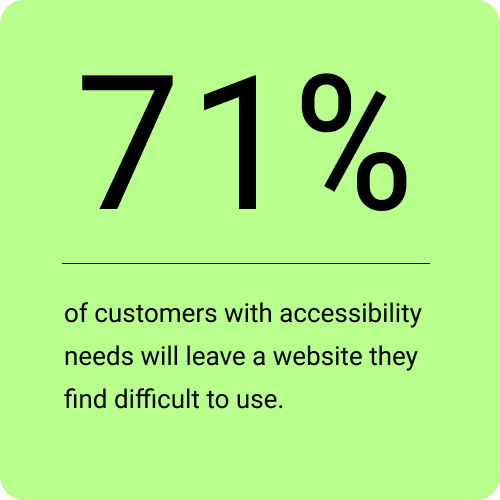
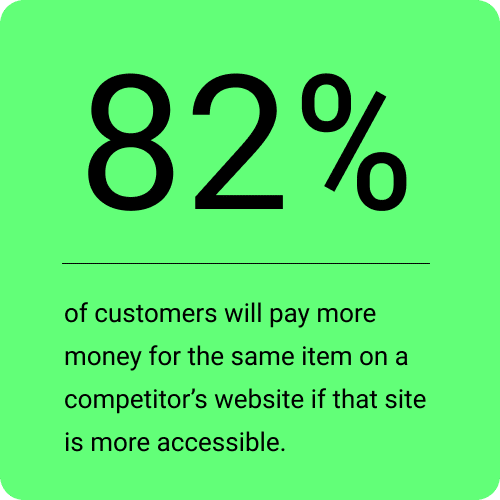
The benefits of accessible design extend well beyond users with permanent disabilities. By prioritizing clarity and ease of use, accessible design raises the baseline quality of the experience for everyone. Features such as clear language, better contrast and intuitive navigation help people in a wide range of situations—whether they’re dealing with temporary impairments, situational constraints or simply using a product in less-than-ideal conditions.
As a result, accessibility drives broader adoption by reducing friction at key moments in the user journey. It builds trust and confidence, encouraging users to engage more deeply and consistently with the product. Over time, these positive experiences translate into stronger word-of-mouth advocacy, higher retention and increased customer lifetime value, making accessibility not just an ethical or legal consideration, but a meaningful driver of long-term business impact.
Ultimately, we see accessibility as a long-term investment in both people and the dmarcian brand. When accessibility is embedded into how products are conceived, designed and built, its impact compounds over time. It builds credibility by demonstrating fulfillment of our commitments, strengthens relationships by showing respect for users’ diverse needs and reinforces a reputation for empathy, quality and trustworthiness.
Want to continue the conversation? Head over to the dmarcian Forum.